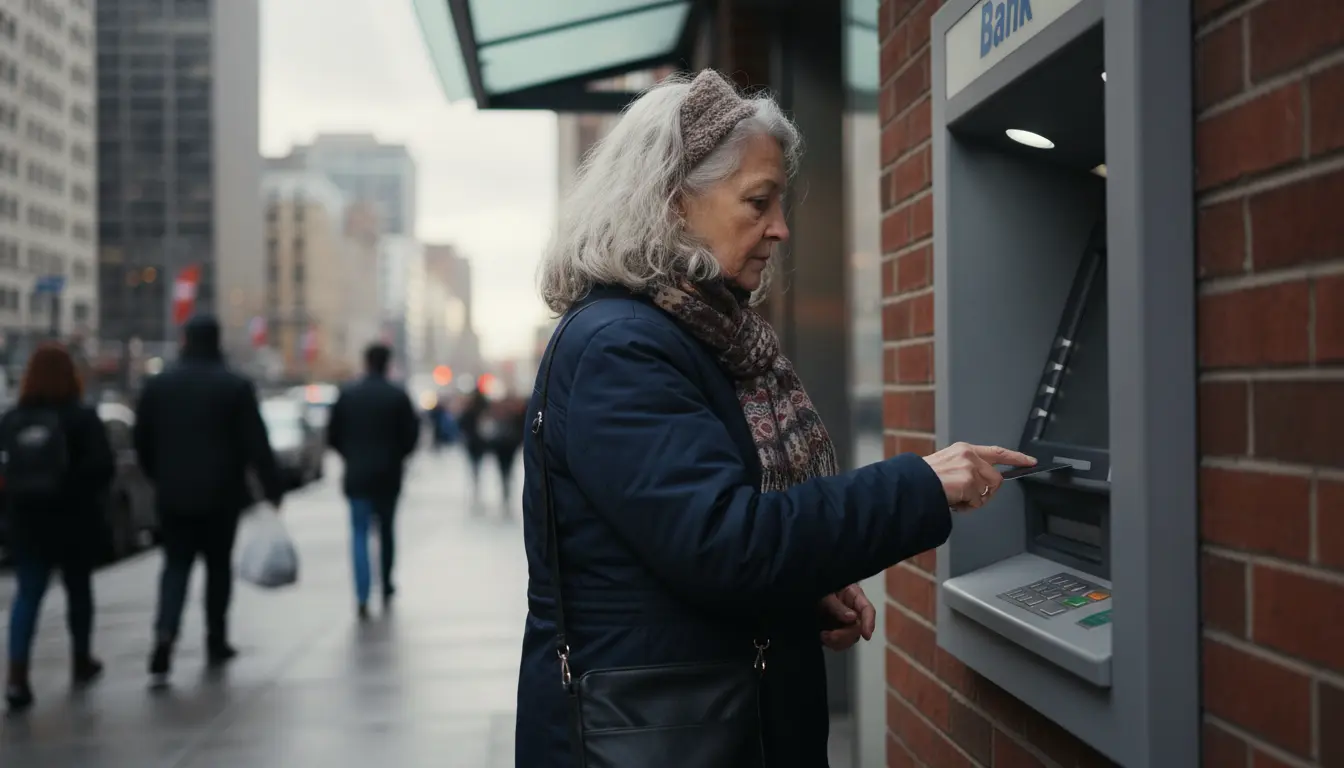
Starting this week, many banks and ATM networks are rolling out updated cash withdrawal and identification rules that affect customers aged 60 and over. These changes are aimed at improving security and compliance, but they can cause unexpected limits or new verification steps at the ATM.
ATM Alert for Seniors 60+: What Changed
Banks are updating procedures that may include lower daily withdrawal limits, stricter ID checks, and new software at ATMs that flags larger cash requests. Some institutions also require additional verification for customers who rely on older cards or who have not updated contact information.
These changes can affect how much cash you can get from an ATM in a single visit, whether a bank teller is required to complete a larger withdrawal, and how often you may need to confirm your identity.
Common rule changes to watch for
- Reduced daily or per-transaction cash withdrawal limits.
- Additional PIN or biometric checks for larger withdrawals.
- Temporary holds on older or expired cards until the branch verifies identity.
- New prompts asking customers to confirm contact details before dispensing large amounts.
Why seniors 60+ are being highlighted
Banks often prioritize communications for older customers because they can be more vulnerable to fraud and may depend on cash more frequently. Highlighting the 60+ group ensures outreach to households likely to need extra support during changes.
It does not mean everyone over 60 will lose access to cash, but it does mean checking and preparing is wise.
What You Must Do Right Now
Take these simple, practical steps today to avoid surprises at the ATM.
1. Check your bank messages and statements
Open recent emails, texts, or mailed notices from your bank. Look for any specific effective dates or instructions about ATM changes.
If you received nothing, call or visit your local branch to ask directly about changes affecting ATM withdrawals for your account.
2. Confirm your contact information
Make sure the bank has your current phone number, email, and mailing address. Many new verification steps rely on sending a code to a registered phone or email.
Updating this information can prevent delays or holds at the ATM.
3. Know your daily and per-transaction limits
Ask your bank what the current withdrawal limits are on your debit or ATM card. Some banks let you request a temporary increase, usually with branch verification.
Carry a note of your limits or save them in your phone to avoid trying to withdraw more than allowed.
4. Update your ATM card and PIN
If your card is old or close to its expiration date, request a new one. If you haven’t changed your PIN in a long time, consider updating it to ensure it meets the bank’s security policies.
New cards often include improved security that reduces the chance of a blocked transaction.
Alternatives If the ATM Won’t Dispense Enough Cash
If you face a limit at the ATM, consider these options:
- Use a bank teller inside the branch to make a large withdrawal with ID.
- Make multiple withdrawals over a couple of days if the daily limit is the issue.
- Use debit card purchases instead of cash when possible to reduce the need for withdrawals.
- Ask a trusted family member to help withdraw cash using joint account rules if appropriate.
Safety Tips When Using ATMs After the Rule Change
Security remains important even if rules loosen or tighten. Follow these practical safety steps:
- Use ATMs in well-lit, secure locations—preferably at your bank branch.
- Cover the keypad when entering your PIN and check the machine for skimming devices.
- Keep withdrawal receipts or use your bank app to confirm transactions.
Many banks allow seniors to schedule larger cash withdrawals at a branch with a short advance notice. Calling a day before can save time and reduce the chance of a hold on your card.
How to Get Help If You’re Confused
If the new rules are unclear or if an ATM denies a cash withdrawal, take these steps to get help quickly:
- Call the customer service number on the back of your card and ask why the transaction was blocked.
- Visit your local branch in person and bring photo ID to request assistance.
- Bring a trusted family member or caregiver to the branch if you need help understanding bank notices.
What to ask your bank
- What are the current ATM withdrawal limits on my account?
- Do I need to update my card or ID to avoid holds?
- Can I request a temporary or permanent increase in limits?
- Are there fee-free ways to access cash for seniors?
Real-World Example: One Person’s Experience
Mary, 72, went to her neighborhood ATM to withdraw cash for weekly expenses. The machine limited her to a smaller amount than usual, and it required a code sent to her registered phone.
She had not updated her number after switching phones. Mary called her bank, updated her contact details at the branch, and was able to withdraw the full amount the next day after staff verified her ID. The bank also issued a new card with improved security.
This quick visit avoided repeated ATM problems and gave Mary confidence that she would not be unexpectedly blocked again.
Final Checklist for Seniors This Week
- Read any bank communications and note the effective date.
- Confirm contact details and request a new card if needed.
- Ask your bank about withdrawal limits and temporary increase options.
- Plan to use a teller for larger cash needs or schedule withdrawals in advance.
- Keep a trusted contact who can help if you run into problems at the ATM.
Following these simple steps will help you avoid disruptions and keep access to cash secure. If you have questions, contacting your bank directly is the fastest way to get account-specific answers.