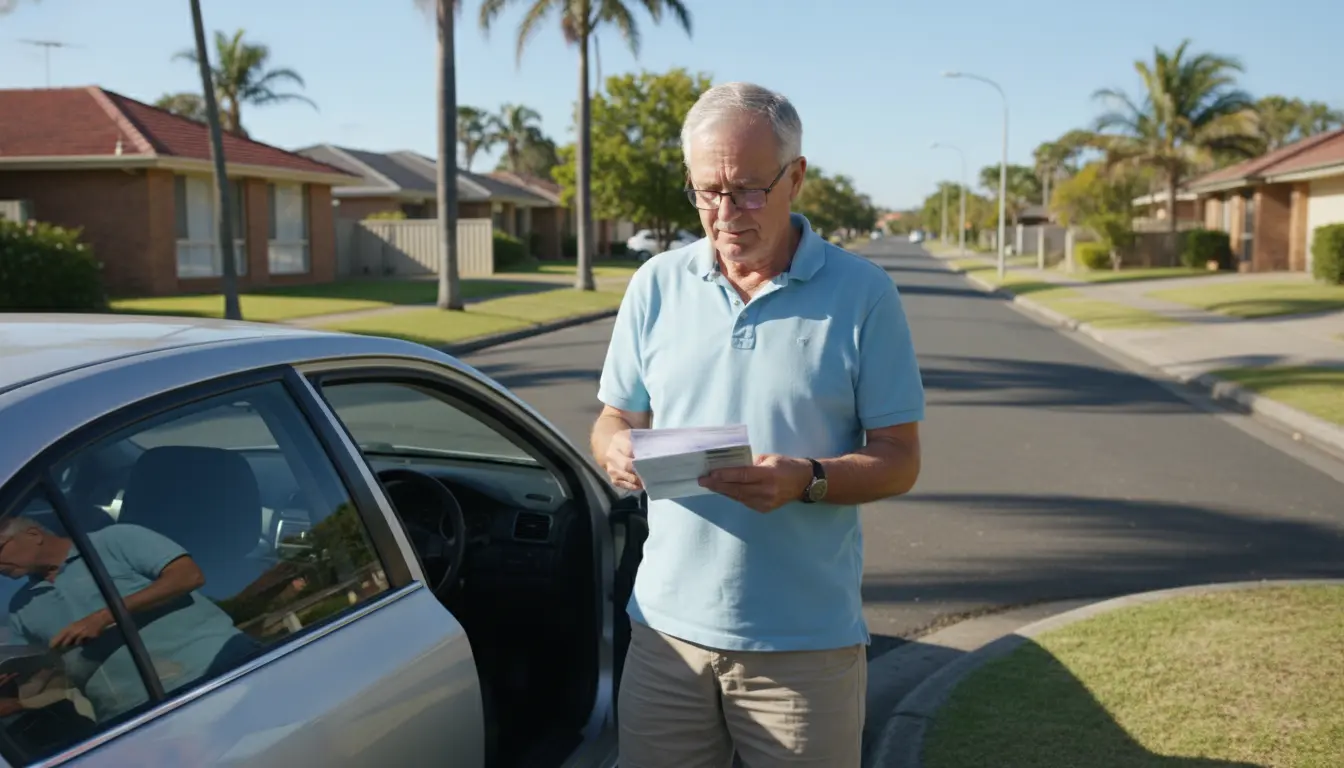
What the new Australia driving rules 2026 mean for seniors
From 29 March 2026 new Australia driving rules come into force with targeted changes that affect drivers aged 65 and older. The changes aim to improve road safety by adjusting licence medical checks, vision assessments, and renewal procedures for older drivers.
This practical guide explains the changes, what seniors 65+ must do, and how to prepare ahead of the new requirements.
Key changes in Australia driving rules 2026
The main updates focus on assessment frequency, documentation, and clearer local procedures. Authorities want earlier detection of impairments that affect safe driving.
- More frequent medical declarations for drivers 75+. Some states lower automatic review ages to 75 with staged steps from 65.
- Mandatory vision checks at renewal for all drivers aged 65+ in several jurisdictions.
- Option for targeted on-road assessment where medical or vision issues are flagged.
- Standardised national forms for medical reports and occupational restrictions.
- Updated digital renewal pathways and clear timelines to submit medical documents.
Which drivers are most affected
Drivers aged 65 and older should review these changes carefully. Requirements differ by state and territory, but the national rules set minimum expectations and common templates.
What seniors 65+ must do before 29 March 2026
Start preparations now to avoid last-minute issues when the rules take effect. Follow these practical steps to be compliant and keep driving safely.
- Check your state or territory transport website for the exact application of the new rules locally.
- Book a vision test with your optometrist if you are due for renewal within 6 months.
- Speak with your GP if you have recent health changes that could affect driving, such as falls, memory concerns, or new medications.
- Gather recent medical reports or medication lists ahead of renewal to speed up processing.
Required documentation under the new rules
The new Australia driving rules 2026 emphasise clear, standard documentation. You may be asked for:
- A completed national medical fitness form from your GP
- Vision test report from a registered optometrist
- Recent medication list showing potential side effects
- Proof of address and identity for online renewals
If you are asked to take a test or assessment
Not all seniors will need on-road testing. Assessments occur only if a medical or vision report suggests risk or if a renewal process flags issues.
Here is what to expect if you are referred:
- First, a specialist or occupational therapist review may be requested.
- If needed, an on-road driving assessment with an accredited assessor will be scheduled.
- Possible outcomes include full renewal, conditional licence with restrictions, or further review.
Practical tips for passing assessments
- Bring up-to-date glasses or corrective lenses to vision checks and driving tests.
- Attend driving assessments well-rested and medication-adjusted under GP advice.
- Practice in the assessor’s recommended vehicle type, especially if you usually drive an automatic or vehicle with modifications.
Potential penalties and appeals under the new Australia driving rules 2026
Failing to comply with documentation or refusing a requested assessment may lead to licence suspension until requirements are met. Fines vary by state.
If you disagree with a medical decision or restriction, an appeals process is available. Prepare supporting medical evidence and legal advice if required.
Alternatives and transport options for seniors
If your licence is restricted or suspended, plan alternatives early to maintain independence and access to services.
- Public transport: Check concessions for seniors and route accessibility.
- Community transport: Local councils offer door-to-door services in many areas.
- Rideshare and taxis: Compare costs and concession eligibility.
- Family or neighbour arrangements: Schedule regular shared rides for appointments.
Under the new Australia driving rules 2026, vision checks at renewal for drivers 65+ are mandatory in several states. Early detection of vision changes reduces crash risk and improves independence planning.
Real-world example: How one senior prepared
Case study: Margaret, 68, lives in regional Victoria and drives to medical appointments weekly. On learning the new Australia driving rules 2026 details, she booked an optometrist and GP check two months before her licence renewal.
Her GP completed the national medical fitness form and noted one medication that could cause dizziness. Margaret discussed this with her doctor and adjusted the timing of her dose. She passed the vision screen and renewed online with no extra delays.
Checklist: Quick actions for seniors 65+
- Verify your renewal date and local implementation of the new rules.
- Book vision and medical checks 6–8 weeks before renewal.
- Collect and upload required documents to your transport authority early.
- Plan transport alternatives in case of assessment delays or restrictions.
- Know the appeal process and keep medical records handy.
Where to get more information
Visit your state or territory transport agency web pages for local guidance and downloadable national medical forms. Community health centres and aged-care advisers can also help seniors navigate changes.
Preparing early is the simplest way to stay legal and safe under the new Australia driving rules 2026. If you are 65 or older, act now so the 29 March 2026 start date does not interrupt your mobility.